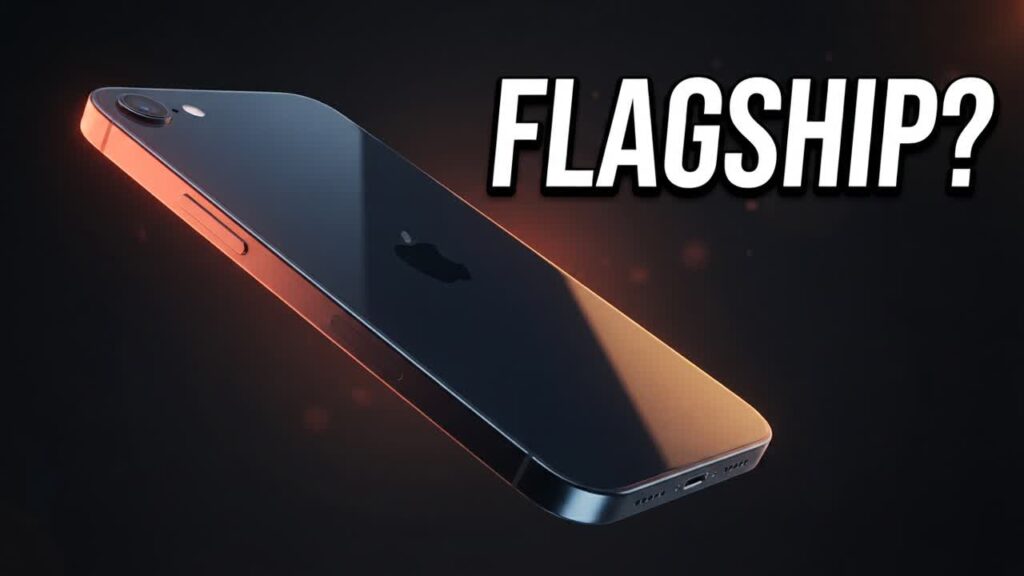
Apple’s push toward an ultra-thin design with the rumored iPhone Air sounds exciting on paper, but chasing a featherweight profile often forces severe compromises that value-minded shoppers should approach with caution. If you are weighing whether to wait for this sleek redesign or stick with traditional flagships like the base iPhone 17 or Pro tiers, understanding what gets sacrificed in the name of thinness is critical before opening your wallet.
The primary concern with hyper-thin chassis engineering comes down to physical space. Shaving millimeters off a smartphone directly impacts thermal management and battery capacity. Without room for substantial cooling systems or dense battery cells, ultra-slim designs struggle to maintain peak performance under load and typically offer weaker endurance compared to their thicker siblings, leaving everyday utility compromised for aesthetic appeal.
- Battery life limitations: A drastically thinner frame leaves less physical room for battery capacity, likely resulting in shorter screen-on time than standard or Pro models.
- Thermal throttling: Minimal internal clearance restricts effective heat dissipation, which can throttle processor speeds during demanding tasks like mobile gaming or video rendering.
- Hardware compromises: Ultra-slim bodies rarely accommodate advanced multi-sensor camera arrays or periscope zoom lenses, potentially limiting photography features.
- Questionable price-to-performance: Despite hardware cutbacks compared to the Pro line, the Air design is expected to command a premium price tag simply for its novelty form factor.
Bottom line: Unless pocket-friendly thinness is your absolute top priority, budget-conscious buyers and power users will likely get vastly superior battery life, performance, and overall value from standard flagship models or discounted previous-generation Pro devices.