
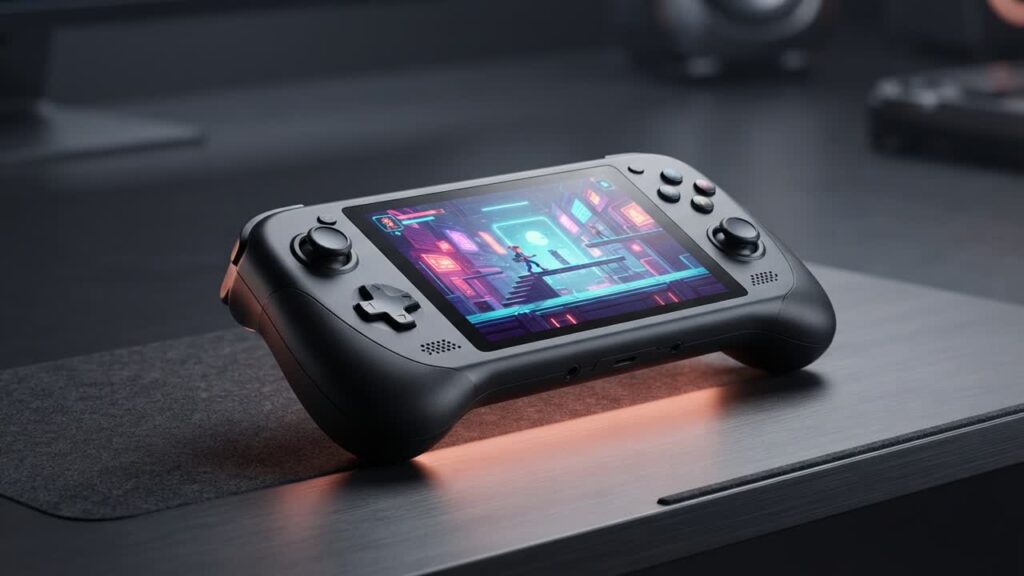
One of the biggest traps in budget handheld gaming is the bloated “10,000-in-one” SD card. Cheap emulation devices often arrive preloaded with gigabytes of uncurated ROMs, steering players straight into decision paralysis where more time is spent scrolling through box art than actually playing. Adopting a dedicated “five-game handheld” approach strips away this clutter, transforming an affordable pocket console into a focused, pick-up-and-play machine.
The core of this setup relies on pairing lightweight, minimalist custom firmware with a strictly curated library. By selecting a tight rotation of distinct experiences—such as one long-form RPG, a quick-burst arcade title, a platformer, a puzzle game, and an action favorite—you eliminate menu fatigue entirely. Even the most inexpensive hardware feels snappy and premium when it boots directly into a handful of hand-picked titles instead of grinding through complex frontend themes.
- Cures option paralysis: Restricting your library to five active games forces commitment, dramatically increasing completion rates.
- Optimized system responsiveness: Lightweight, stripped-back operating systems boot faster and eliminate resource-heavy background animations on low-powered chipsets.
- Balanced library strategy: Slotting five distinct genres ensures you always have the right game on hand for a five-minute commute or a two-hour session.
- Maximizes budget hardware: Sub-$50 devices deliver a vastly superior user experience when treated as curated micro-consoles rather than sluggish digital archives.
Bottom line: If you spend more time testing and organizing your budget handhelds than actually playing them, configuring a five-game setup is the ultimate free quality-of-life upgrade.