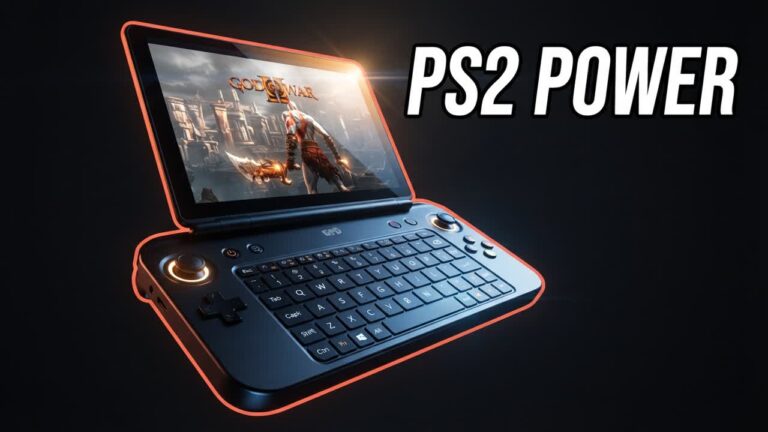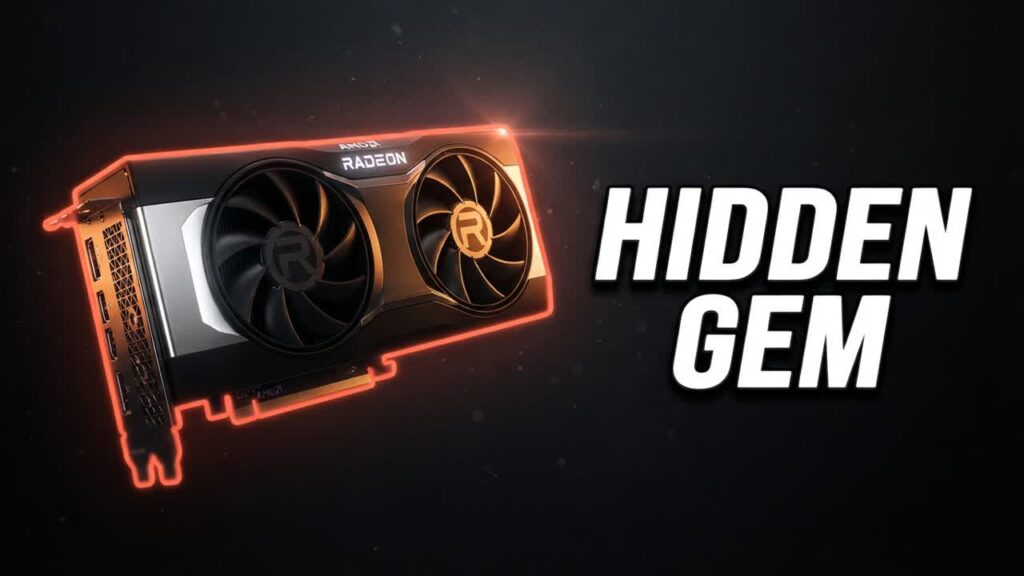
Buying a gaming laptop or compact PC usually means accepting an awkward compromise: either settle for weak integrated graphics to save money and battery life, or pay a massive premium for a dedicated graphics card that demands bulky cooling and heavy power bricks. AMD’s Strix Halo architecture fundamentally alters that math by delivering the most capable integrated GPU ever engineered for portable computing.
By cramming massive graphics horsepower directly onto the main processor die, Strix Halo brings desktop-class graphical output into systems that previously had to rely on separate discrete GPUs. For tech shoppers, this unlocks the holy grail of compact computing: true AAA gaming performance, lighter chassis designs, and lower power consumption across future laptops, mini PCs, and high-performance handheld devices.
- Discrete GPU-tier performance: Packing up to 40 RDNA 3.5 compute units, the integrated graphics rival dedicated mobile GPUs like the RTX 4060 and RTX 4070, handling modern titles at high settings without a separate graphics chip.
- Unified high-bandwidth memory: By sharing a wide memory bus and massive pools of fast LPDDR5X RAM, the GPU eliminates traditional VRAM bottlenecks, giving creators and gamers flexible allocation for heavy textures and local AI workloads.
- Simplified cooling and form factors: Cooling a single, unified processor is significantly easier than managing separate CPU and GPU dies, paving the way for thinner, quieter laptops and ultra-compact desktop replacements.
- Major implications for budget and compact tech: While initial flagship designs carry premium pricing, this silicon establishes a blueprint for smaller, more power-efficient mini PCs and next-gen handheld gaming devices that won’t require costly dedicated boards.
Bottom line: If you want serious gaming and creative power in an ultra-portable laptop or compact mini PC without the heat, weight, and battery drain of a dedicated graphics card, hardware powered by AMD Strix Halo is the breakthrough tech to watch.