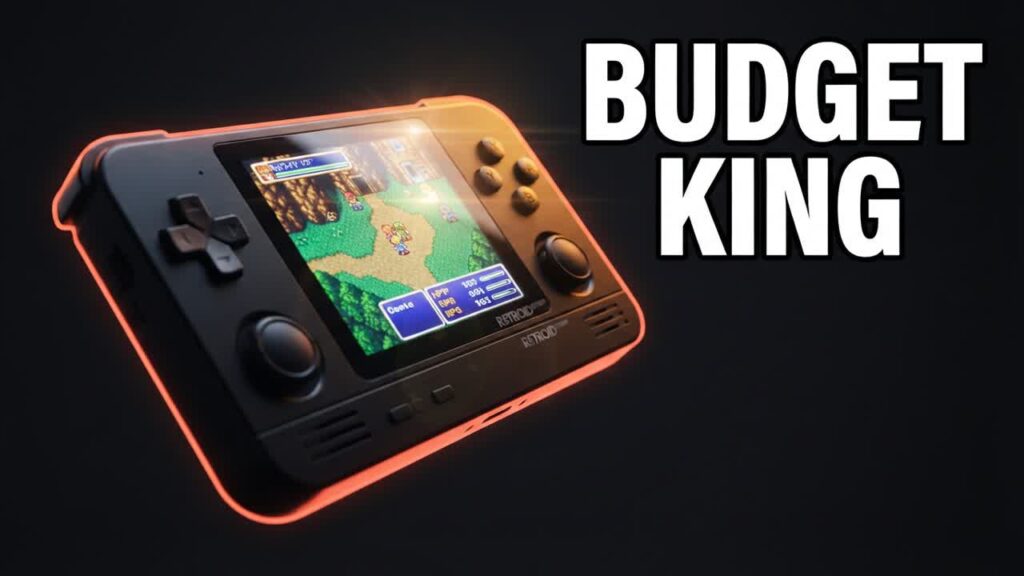
Before jumping on a deal for a compact retro handheld, knowing which hardware revision is in the box can make or break your purchase. The Retroid Pocket Mini generated massive hype as a pocketable 4:3 OLED device, but launch units faced immediate backlash over noticeable display quirks, including subpixel rendering artifacts and softness that degraded the visual clarity of classic games. For value-focused handheld enthusiasts, understanding these display flaws is critical before spending your cash.
To rectify the problem, Retroid quietly rolled out a revised “V2” model featuring an updated, proper display panel. This hardware refresh directly targets the clarity complaints, ensuring that pixel-art titles and classic 3D games render with the crisp sharpness and rich contrast originally expected from an OLED panel.
- The launch defect: Early Retroid Pocket Mini units featured a panel with subpixel rendering issues, leading to fuzzy text, fine-line distortion, and diminished visual sharpness.
- The V2 hardware fix: Retroid updated factory production to include a corrected display panel that resolves these rendering errors out of the box.
- Secondary market risk: Bargain hunters browsing used marketplaces or third-party resellers must confirm whether a unit is a launch edition or a V2, as original models still carry the inferior display panel.
- Manufacturer support: Early adopters affected by the screen issues should review official support options, as replacement programs and revised parts were made available to remedy launch-day purchases.
Bottom line: If you are shopping for a Retroid Pocket Mini, ensure you buy directly through verified V2 listings—or demand a steep discount if buying an original V1 unit on the used market.