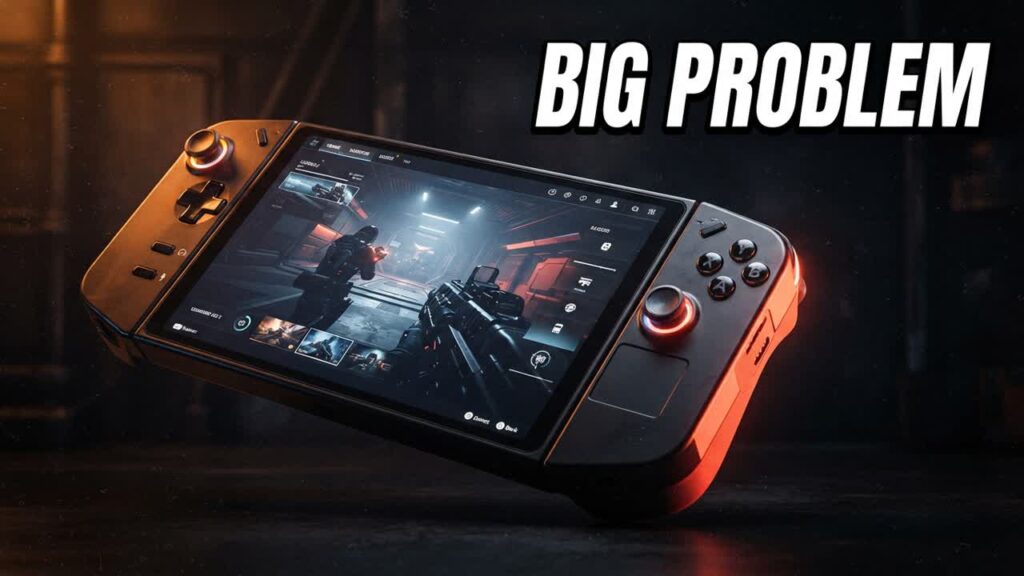
Handheld gaming PCs are evolving at breakneck speed, but the rush toward next-generation hardware like the Lenovo Legion Go 2 highlights an increasingly frustrating dilemma for buyers: diminishing performance returns paired with climbing price tags. For shoppers trying to stretch their budget across handheld gaming, laptops, and mini PCs, the market is quickly reaching a point where newer hardware no longer guarantees a noticeably better everyday experience.
The core issue facing upcoming handheld revisions is that mobile silicon efficiency has hit a temporary plateau. While hardware makers continue to pack in massive high-refresh displays and faster memory, the fundamental bottlenecks—battery drain under load, awkward handheld ergonomics, and an unoptimized Windows interface—remain largely unresolved. Paying top-tier prices for an iterative sequel rarely delivers the generational leap buyers actually expect.
- Diminishing performance leaps: Next-generation mobile APUs offer modest frame-rate gains at realistic handheld wattage limits, making the price premium over existing hardware difficult to justify.
- The portability compromise: Pushing for larger screens and heavier thermal designs risks turning portable handhelds into bulky, unwieldy bricks with sub-two-hour battery endurance.
- Persistent software friction: Despite hardware revisions, Windows continues to struggle with handheld navigation, sleep states, and power management compared to streamlined custom operating systems.
- First-gen hardware holds the value: As successor discussions gain traction, price drops, refurbished stock, and open-box deals on current-generation handhelds deliver vastly superior performance per dollar.
Bottom line: If you want reliable portable PC gaming on a sensible budget, ignore the hype for expensive next-gen iterations and target clearance deals on proven, first-generation handhelds instead.