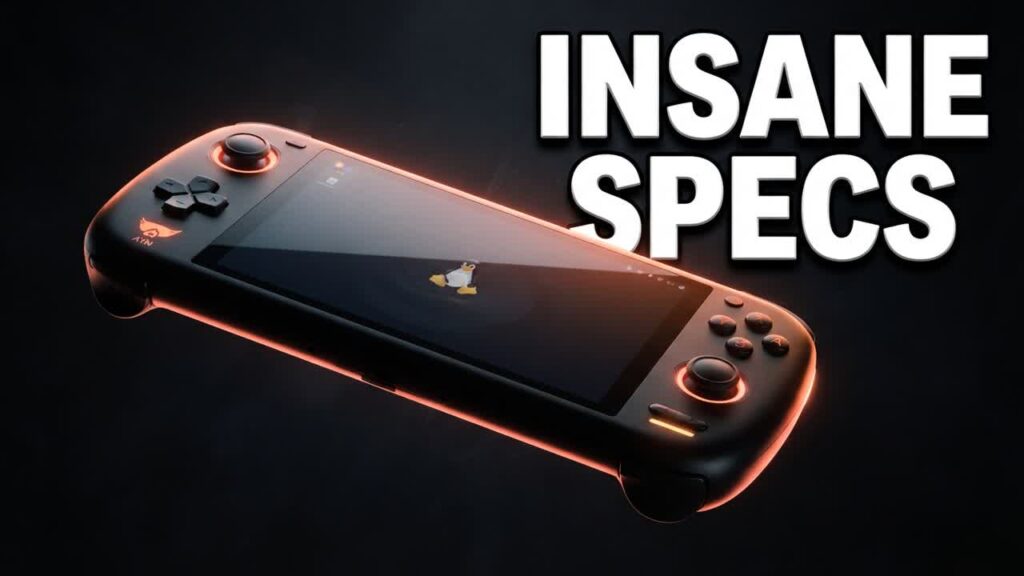
The AYN Odin 2 already dominates the mid-range retro handheld market on hardware value alone, but a major software breakthrough makes it an even smarter purchase: native Linux support. By bridging the gap between mobile hardware and a true desktop operating system, the Odin 2 now stands as the most powerful ARM-based Linux gaming handheld on the market.
For shoppers trying to extract every ounce of value from their gear, this development is a massive win. While Android is fantastic for power efficiency and mobile-friendly emulators, it has clear software blind spots. Booting Linux directly on the Odin 2 unlocks platforms and software stacks that have historically been out of reach on mobile chips, significantly closing the gap between budget-friendly ARM devices and bulkier x86 handhelds.
- Expanded Emulation Horizons: Linux access unlocks desktop-class emulators like RPCS3 (PlayStation 3) and xemu (original Xbox), opening up game libraries that are either unplayable or unsupported on native Android.
- Native PC Ports and Indies: Gamers can run Linux-native PC games, retro engine ports, and community-decompiled titles locally without relying on game streaming or inefficient translation layers.
- Dual-Boot Convenience: The installation can run directly from a fast microSD card, allowing you to experiment with Linux without wiping your tuned Android setup or losing access to your everyday mobile apps.
- Class-Leading Power Efficiency: Because the Snapdragon 8 Gen 2 chip sips power compared to traditional laptop processors, you get compelling mid-tier performance with significantly better battery life than standard PC gaming handhelds.
Bottom line: If you want the emulation capabilities and PC-port flexibility of an x86 handheld without paying the price or sacrificing the compact form factor and battery life of an ARM device, the Odin 2 running Linux is one of the highest-value setups in handheld gaming today.