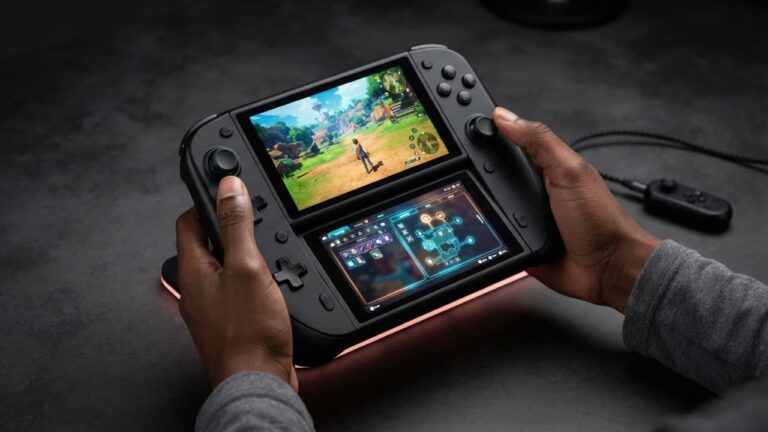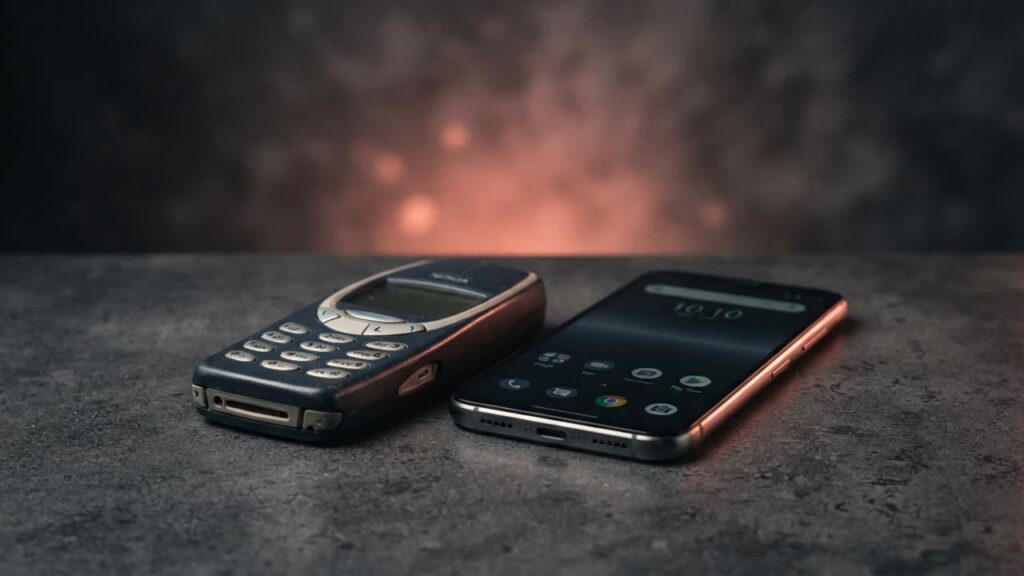
Five years ago, buying a budget retro gaming handheld was an exercise in compromise. Early devices were plagued by washed-out screens, stiff D-pads, sluggish interfaces, and processors that struggled with anything beyond basic 16-bit consoles. Today, that entire landscape has transformed: performance and build quality that once commanded a premium price now routinely show up in ultra-affordable devices, making right now the best time yet to jump into portable emulation.
This rapid maturation means budget shoppers no longer have to settle for flimsy, disposable hardware. Manufacturers have adopted design standards previously reserved for high-end tech, outfitting entry-level devices with laminated displays, drift-free analog sticks, and mature community-developed firmware that delivers a true console-like experience out of the box.
- Premium hardware trickling down: Modern budget handhelds now feature drift-proof Hall-effect joysticks, microswitch shoulder buttons, and durable shells that feel leagues ahead of earlier plastic models.
- Vastly superior displays: Muddy, low-resolution panels have been replaced by laminated IPS and vibrant OLED screens with integer-scaling resolutions tailored for classic systems.
- Refined, pick-up-and-play software: Robust Linux distributions and customized Android frontends have virtually eliminated the tedious setup steps and clunky menus of the past.
- Unprecedented performance per dollar: Platforms that once required expensive hardware—such as PS1, N64, Dreamcast, and PSP—can now be smoothly emulated on devices priced well under $75.
Bottom line: If you are still clinging to a handheld from several years ago or have hesitated to buy in, today’s budget market offers an enormous generational leap in screen quality, controls, and overall reliability without requiring a major investment.