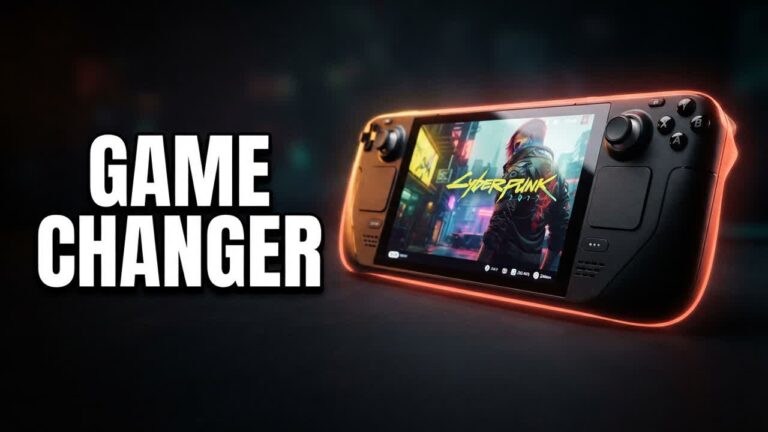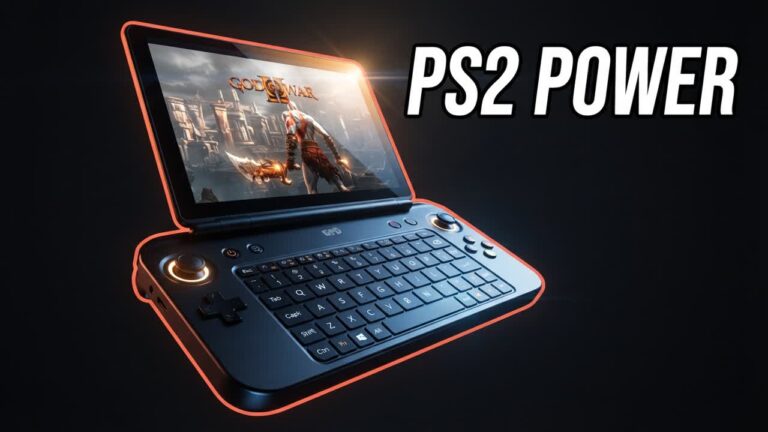
The biggest hurdle for high-end gaming handhelds has never been raw power—it has been Windows 11. Clunky navigation, inconsistent sleep-and-wake states, and background bloat have held back otherwise brilliant hardware. That compromise is disappearing now that official SteamOS 3.8 runs cleanly on third-party hardware like the GPD Win 5, offering a massive leap forward for portable PC gaming enthusiasts.
The GPD Win 5 packs AMD’s Ryzen AI Max 385 APU, placing it among the most capable handheld gaming devices on the market. While the standard Steam Deck remains the entry-level value king, pairing Valve’s lean, console-like operating system with high-tier silicon completely changes the playing field. Gamers get seamless suspend/resume, optimized Proton compatibility, and direct Steam integration backed by serious graphical horsepower capable of pushing demanding modern titles far beyond the Steam Deck’s limits.
- Native SteamOS functionality: The official SteamOS 3.8 (Holo branch) boots smoothly, giving non-Valve hardware the slick, deck-verified interface gamers prefer over Windows.
- Massive performance headroom: The AMD Ryzen AI Max 385 platform easily outpaces standard handheld APUs, unlocking significantly higher frame rates at native display resolutions.
- Better efficiency and sleep states: Ditching the Windows operating system overhead improves power delivery and delivers the reliable sleep/wake functionality critical for on-the-go play.
- Custom silicon flexibility: Early adoption shows strong compatibility with the integrated controls and display, pointing to a wider era of multi-vendor SteamOS hardware.
Bottom line: If you want the seamless, console-like simplicity of the Steam Deck without being locked to its entry-level graphical limits, a SteamOS-powered GPD Win 5 delivers the ultimate balance of flagship performance and software polish.