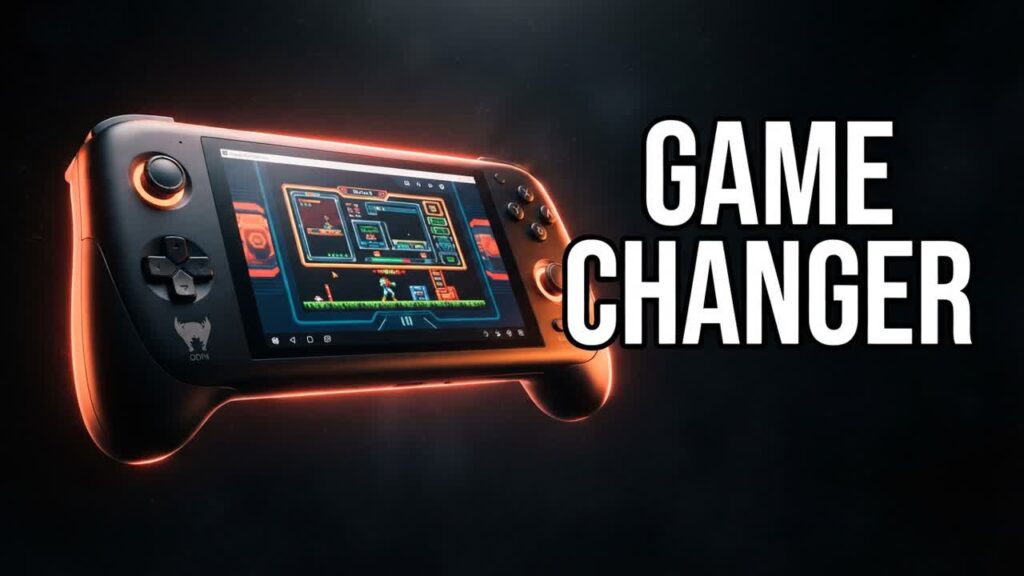
The AYN Odin 2 remains the undisputed benchmark for high-performance Android emulation, but early rumblings around the upcoming Odin 3 are already shifting buyer priorities. If you are shopping for a powerhouse retro handheld or trying to decide whether to pull the trigger on an existing model, understanding what the next generation brings—and what it doesn’t—is critical to spending your money wisely.
The primary dilemma surrounding the Odin 3 is the balance between raw silicon power and software reality. A jump to a newer flagship processor, such as the Snapdragon 8 Gen 3, will certainly post impressive benchmark scores, but Android emulation currently faces severe software development bottlenecks. For most buyers, a more expensive, cutting-edge chip might offer diminishing returns if the emulator software cannot take full advantage of the extra horsepower.
- Software limits hardware gains: High-end Android emulation (particularly for Switch, PS2, and PC translation layers) is constrained by emulator optimization rather than raw power, meaning the Odin 2 already handles nearly everything the platform currently allows.
- Higher entry price: Next-gen flagship processors carry steep licensing costs, which could easily push the Odin 3 well beyond the sub-$300 value sweet spot that made its predecessor a runaway success.
- Odin 2 remains the value king: Current Odin 2 owners have little incentive to upgrade, as performance gains in everyday retro titles will be practically indistinguishable.
- Secondary market price drops: Odin 3 announcements inevitably drive down the cost of current inventory, creating prime opportunities to score discounted new units or cheap secondhand Odin 2 handhelds.
Bottom line: Budget-conscious gamers should skip the hype for the Odin 3 and capitalize on price drops for the Odin 2, which already delivers all the power Android emulation can currently handle.