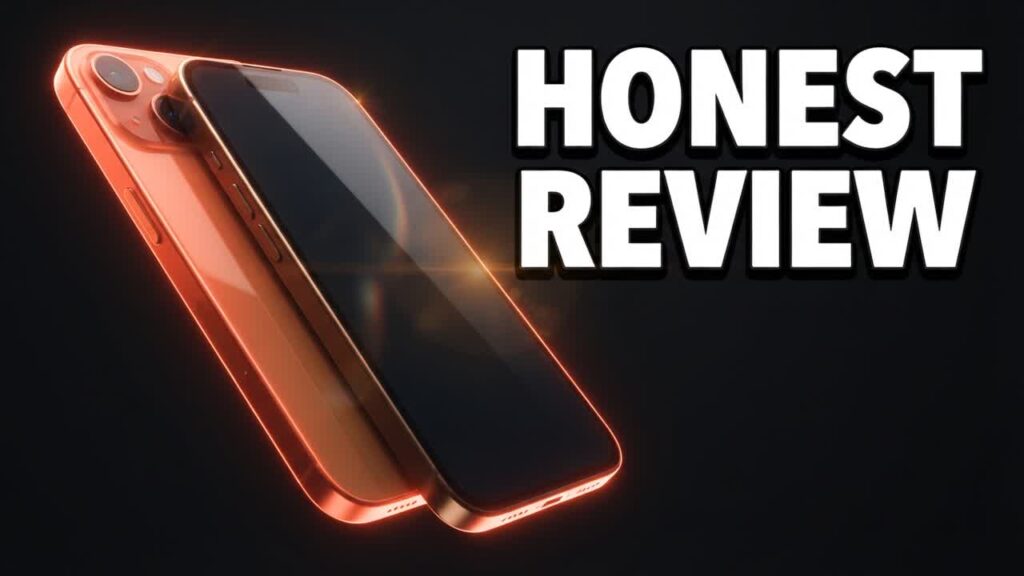
Apple’s newest entry-level device, the iPhone 16e, is meant to offer a gateway into the modern iOS ecosystem without the full flagship price tag. However, the “budget” label is doing some heavy lifting. Instead of an aggressively priced steal, shoppers are met with a price point that sits uncomfortably close to both discounted older flagships and the standard iPhone 16, forcing buyers to look closely at what is actually being sacrificed to save a modest amount of cash.
When stacked against alternatives like the iPhone 15 or the standard iPhone 16, the trade-offs become difficult to ignore. To hit its tier, the 16e trims back on hardware versatility—particularly in the camera department and display features. While it brings modern silicon capable of handling current software features, the physical compromises make it feel noticeably stripped down compared to previous-generation flagships that now sell for similar or lower prices.
- Questionable Price-to-Value Ratio: The retail price sits too high to feel like a true budget win, putting it in direct competition with heavily discounted or refurbished iPhone 15 units that offer more well-rounded hardware.
- Notable Hardware Cuts: Compromises on camera utility and design elements mean buyers lose out on features that have been standard on baseline iPhones for years.
- Modern Silicon as the Main Selling Point: The primary advantage here is access to newer chipset capabilities and longer projected software support, but day-to-day performance gains over recent models remain modest.
- Squeezed by the Standard iPhone 16: For buyers willing to spend just a bit more, the standard iPhone 16 provides a significantly more complete, future-proof experience that easily justifies the price gap.
Bottom line: Unless you strictly need the latest generation processor at the absolute lowest entry price for iOS, most budget-conscious buyers will get far better hardware value by opting for a discounted iPhone 15 or stretching their budget to the standard iPhone 16.